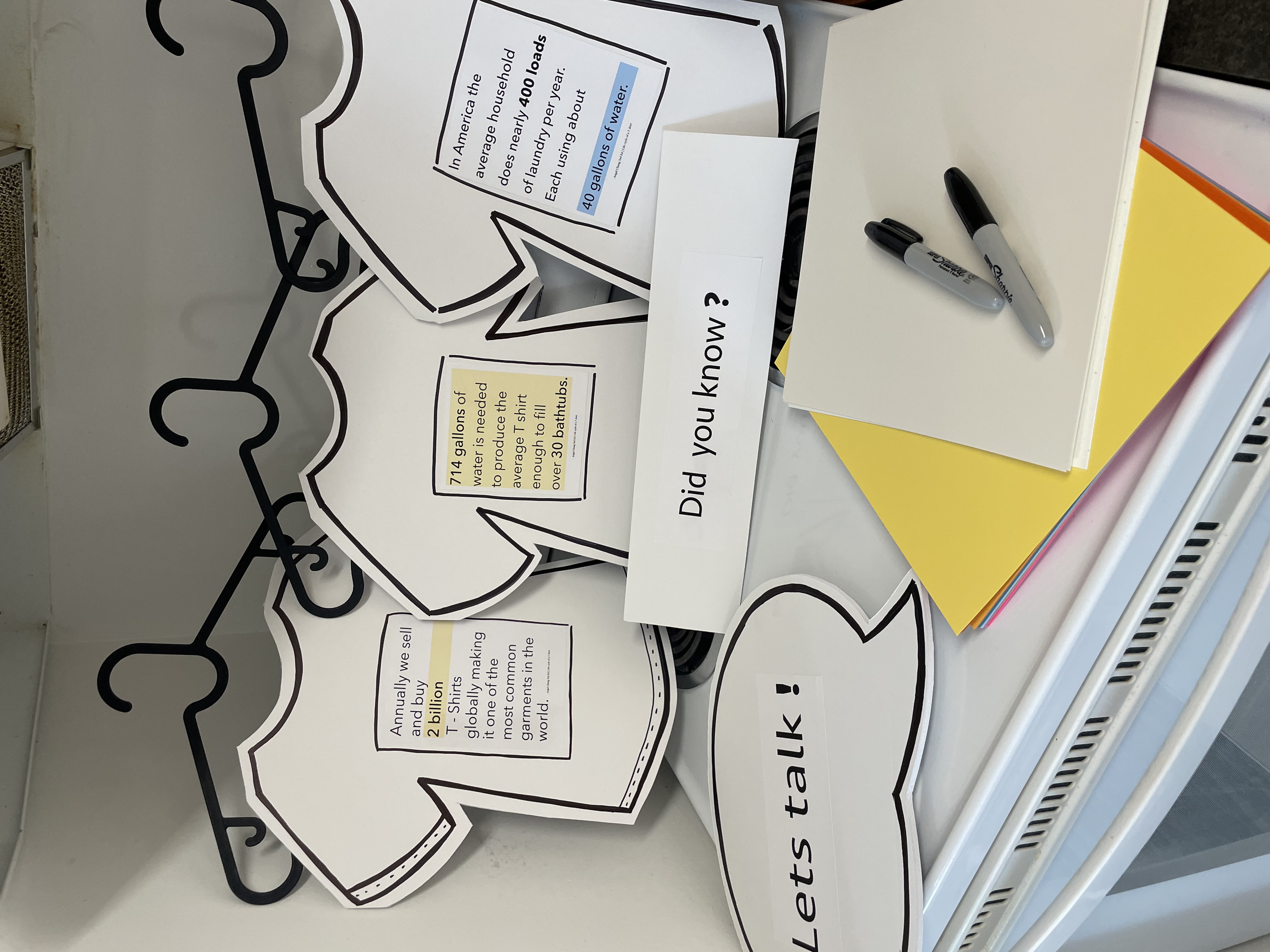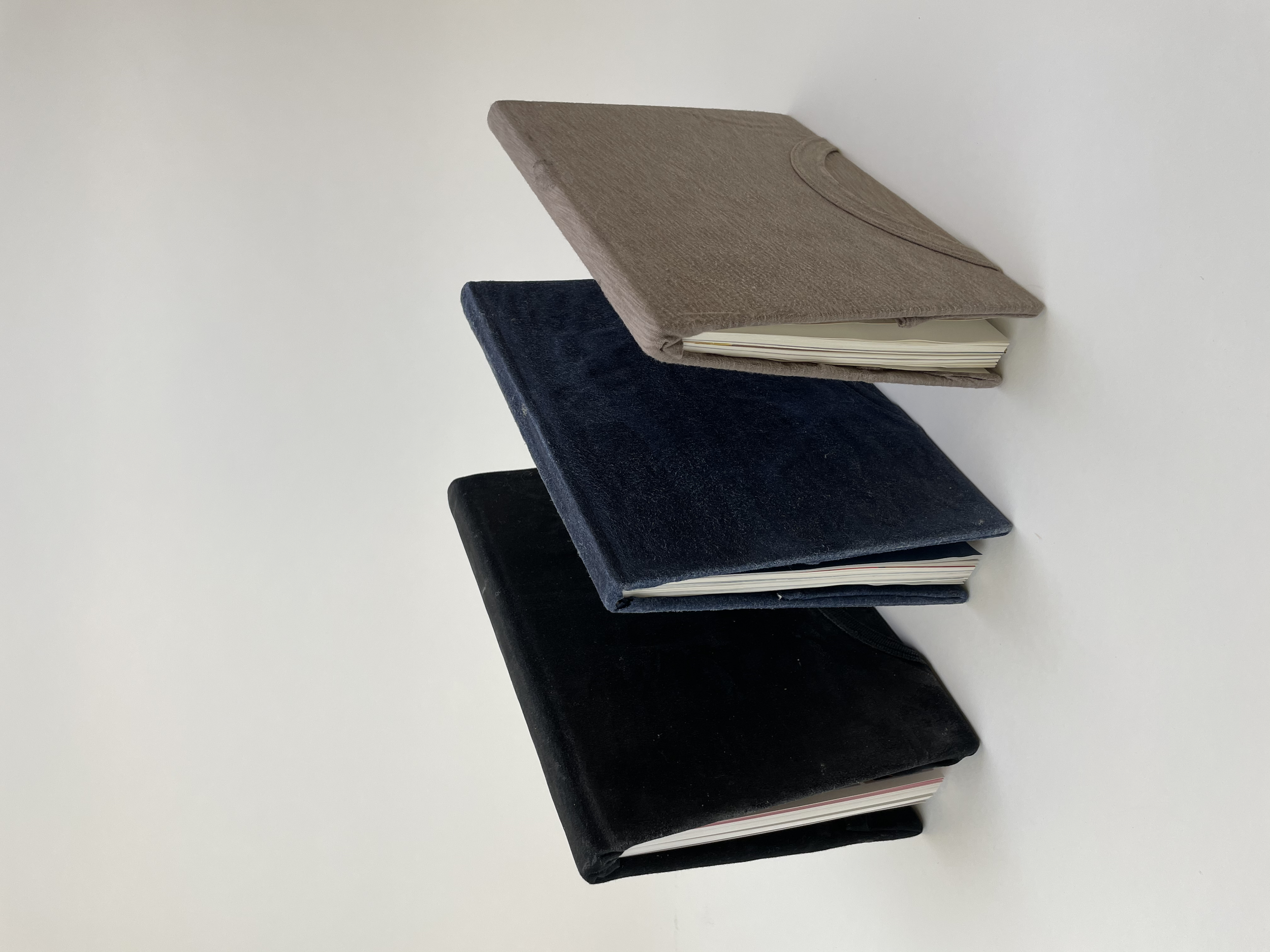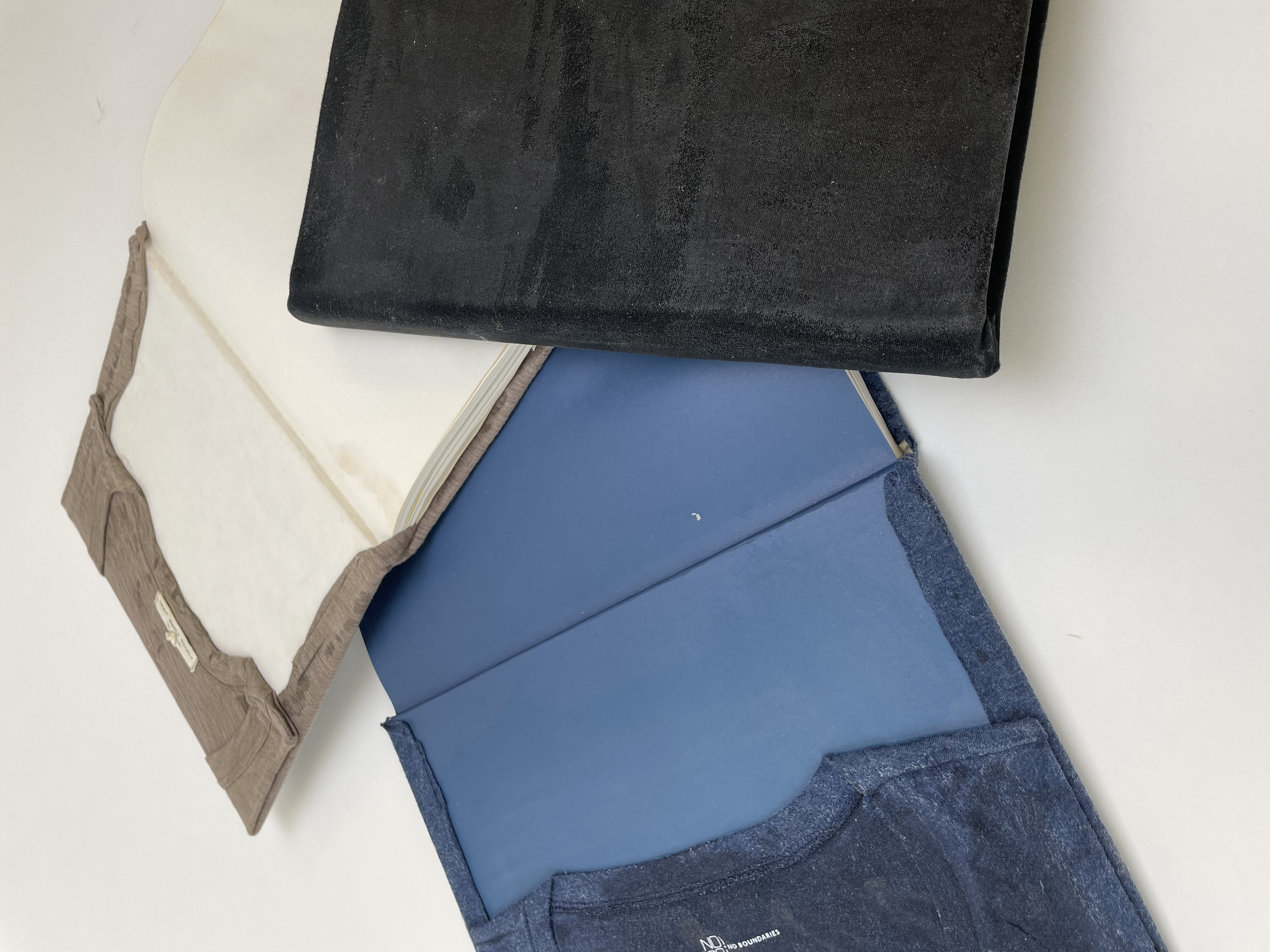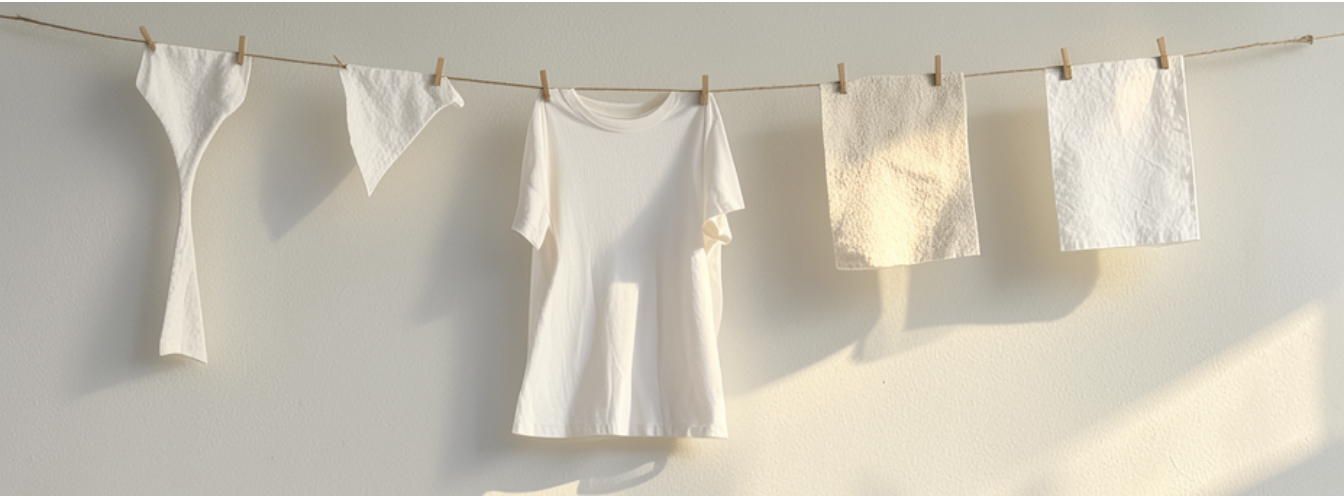
What do you really know about your T-shirt and what goes into making it?
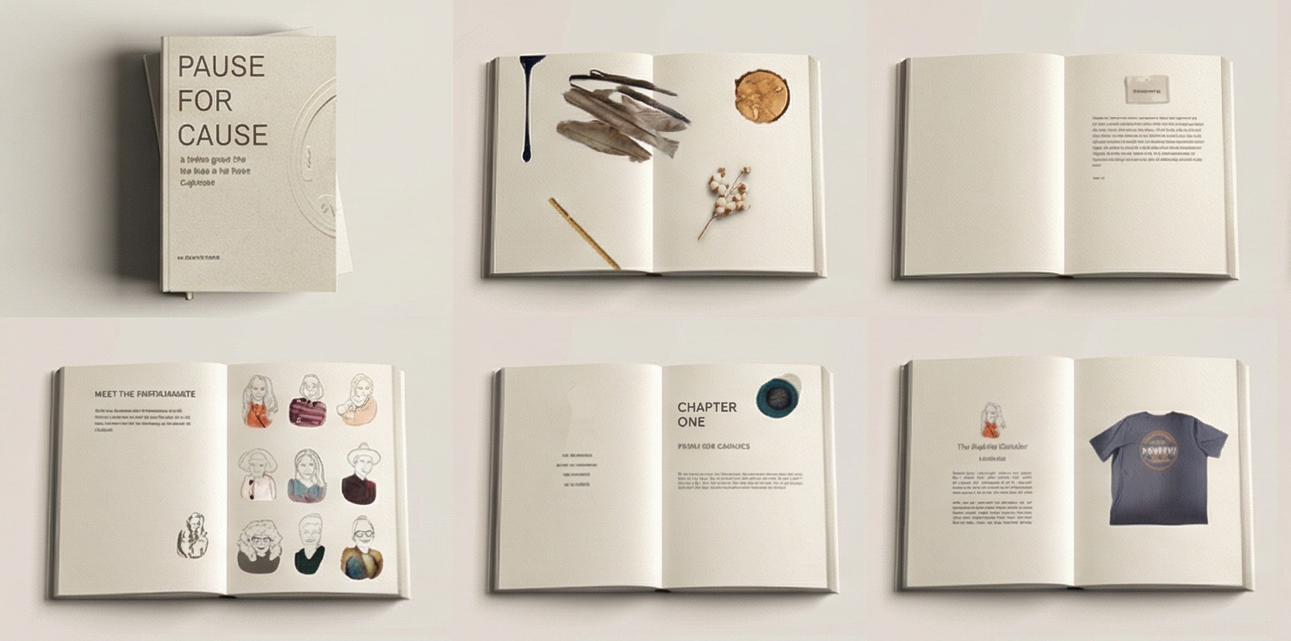
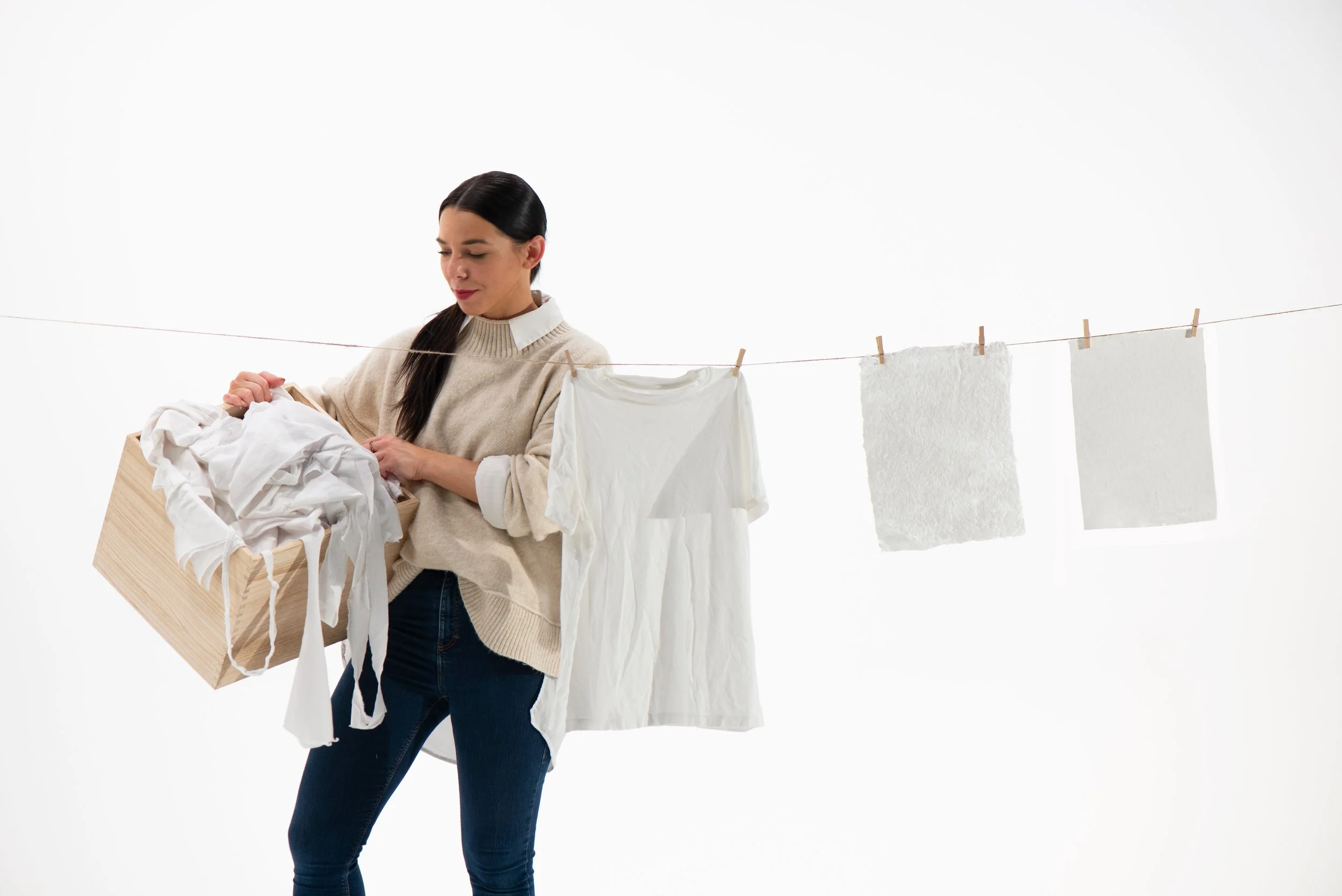
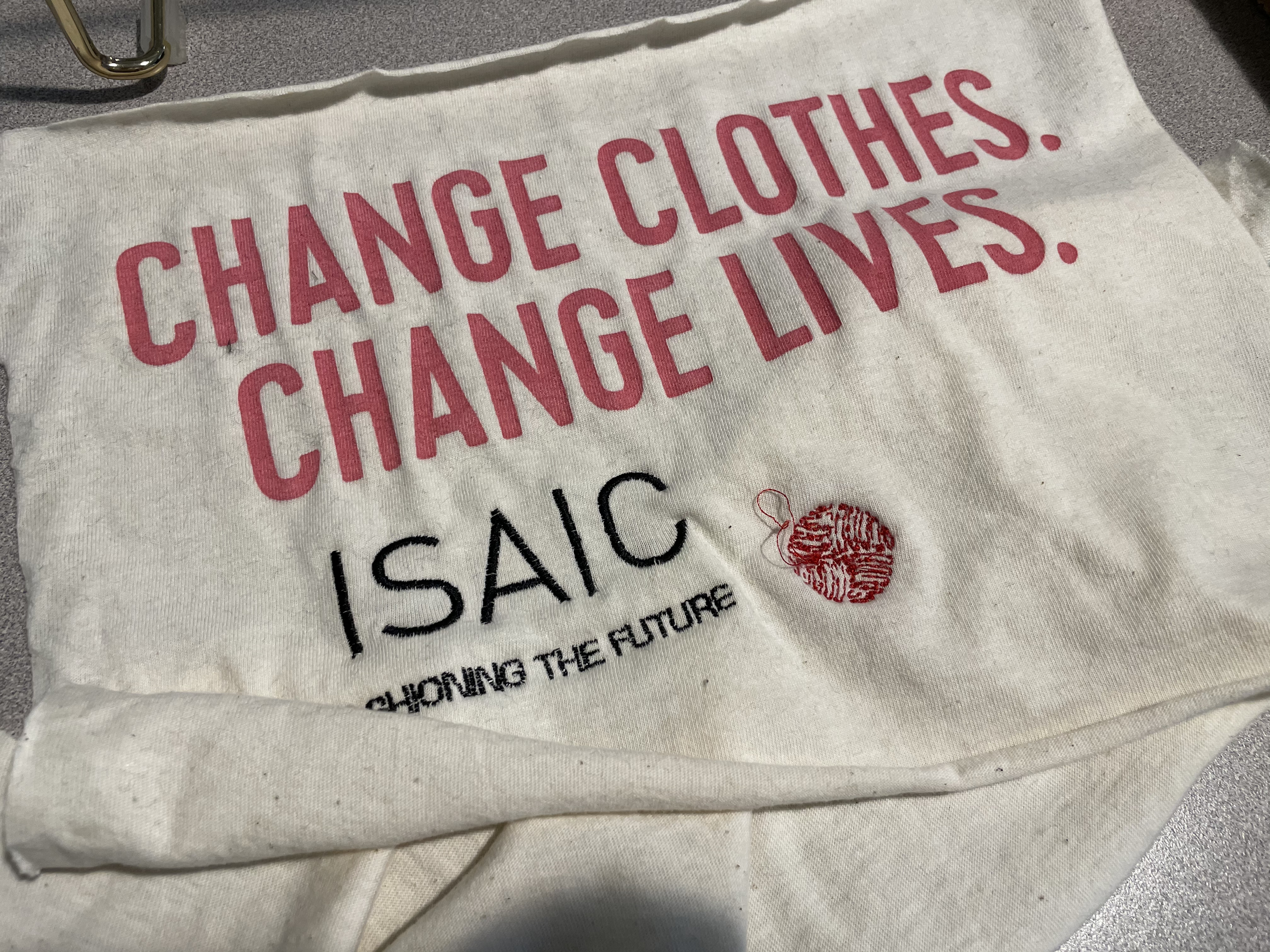
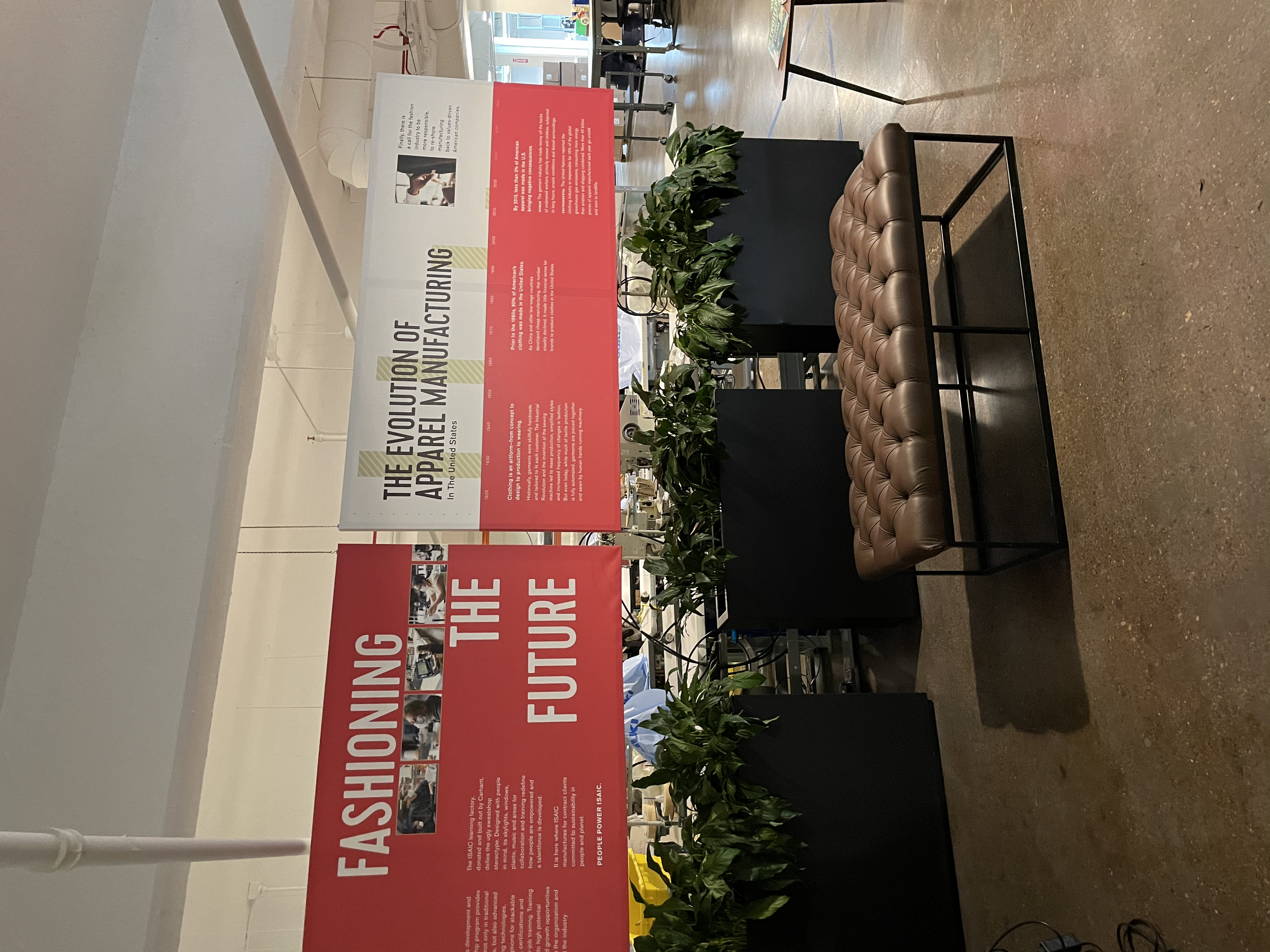
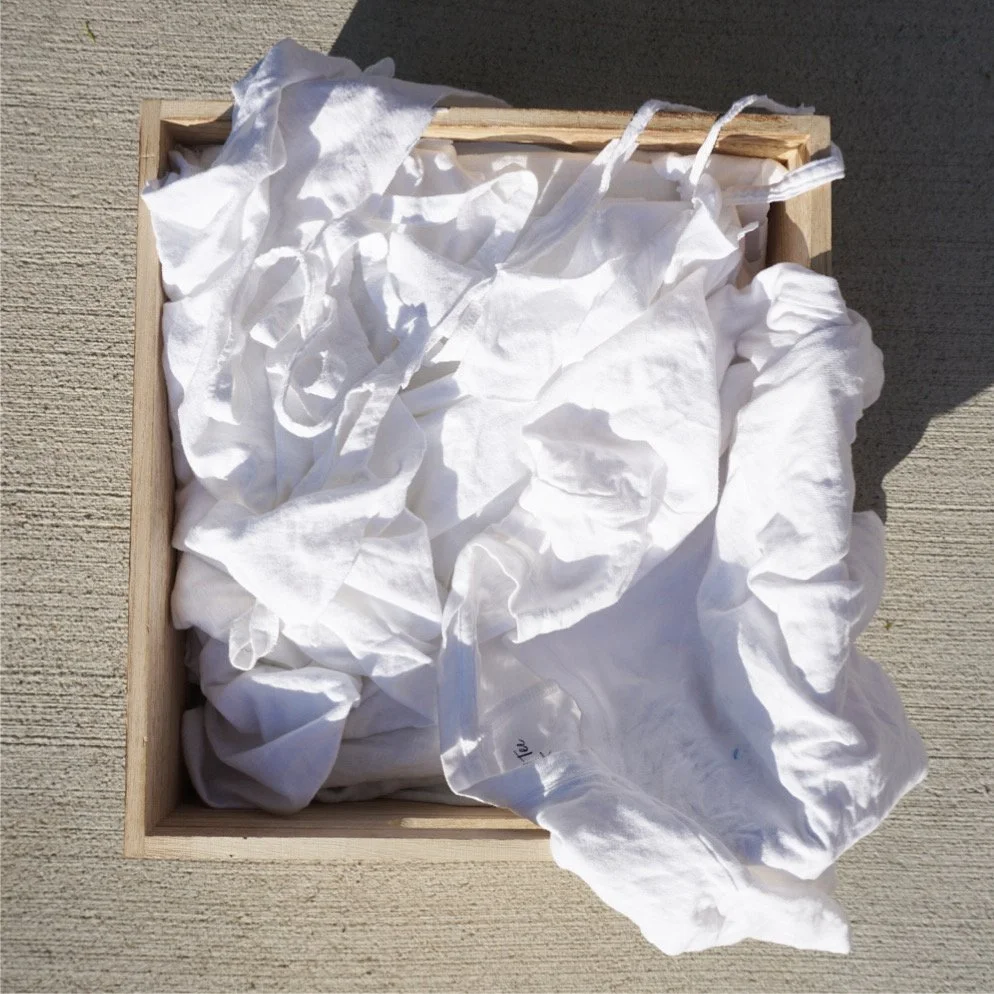
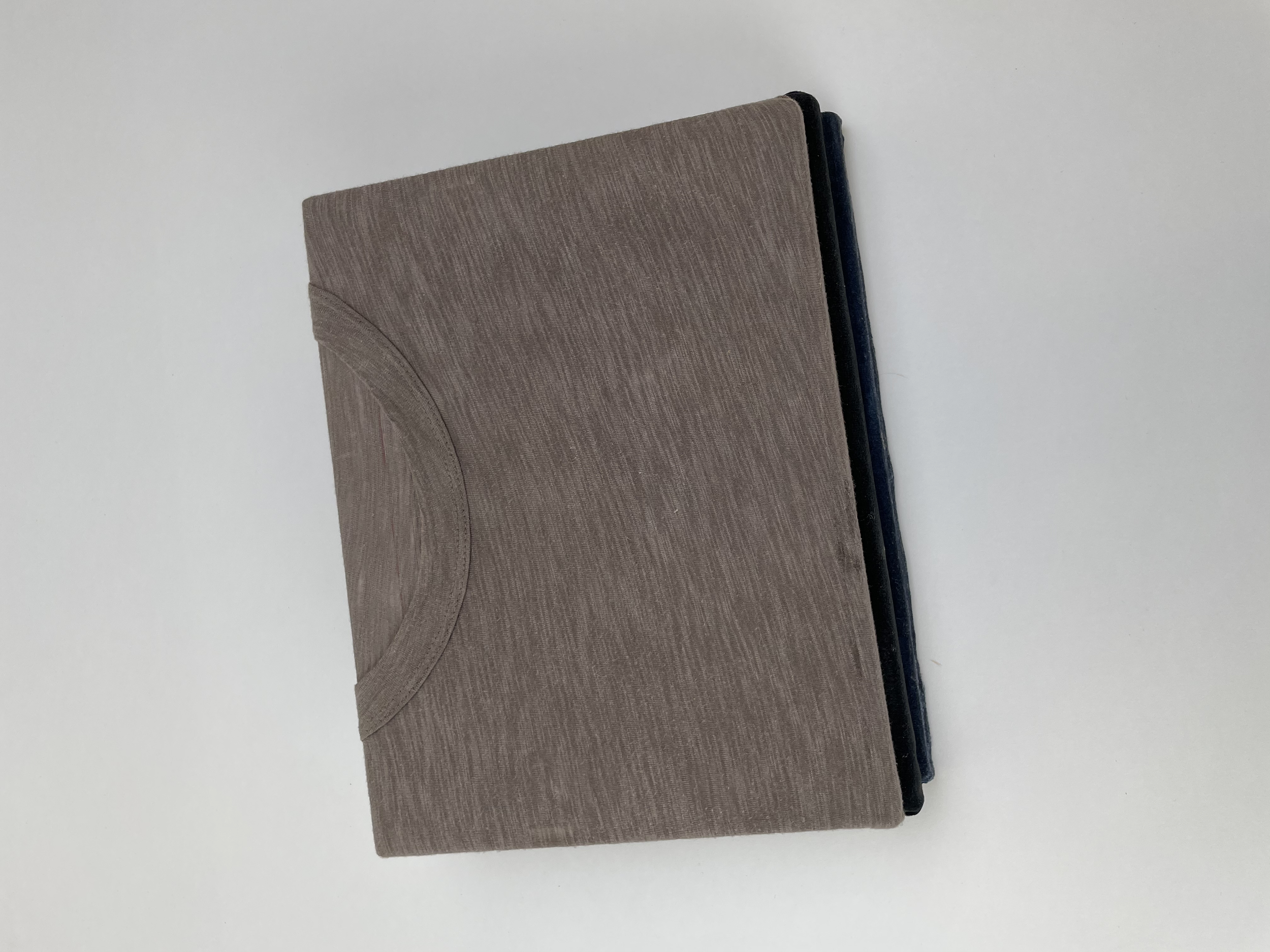
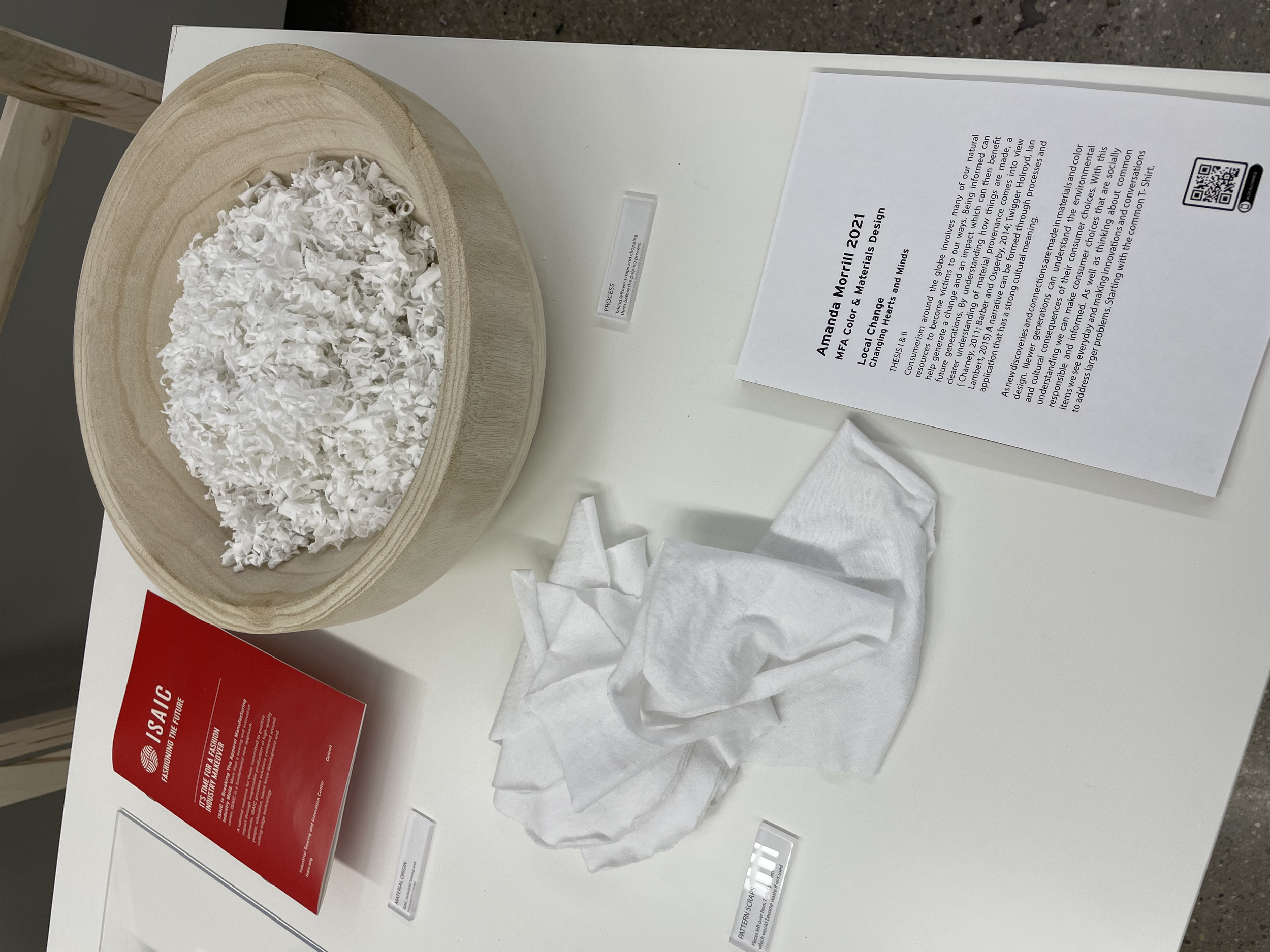
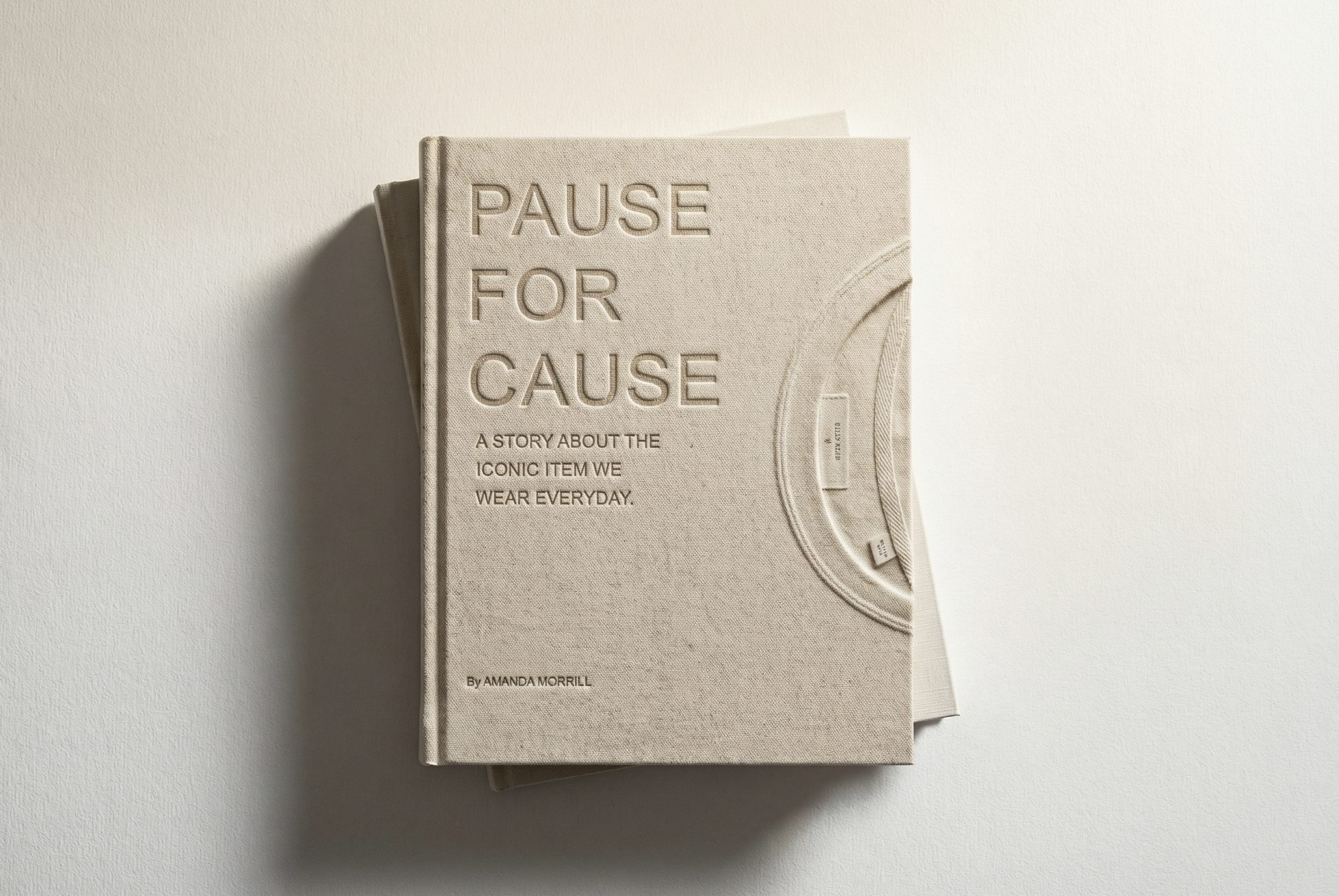
Working with a local garment factory, I gathered scraps from T-shirts. In order to tell a deeper story about the provenance of apparel, I decided this would be the starting point for creating a book about the making of a T-shirt—constructed from paper made of scrap T-shirts, a book of shirts made from shirts. In the world of fast fashion, apparel is often quickly discarded, while books are typically kept as objects of décor or conversation. Transforming these shirts into a book became a way to preserve them rather than toss them aside, giving new permanence and meaning to what is usually treated as temporary.

ABSTRACT
Consumerism around the globe involves many of our natural resources to become victims to our ways. Being informed can help generate a change and an impact which can then benefit future generations. By understanding how things are made, a clearer understanding of material provenance comes into view ( Charney, 2011; Barber and Osgerby, 2014; Twigger Holroyd, Ian Lambert,2015) A narrative can be informed that has a strong cultural meaning.
As new discoveries and connections are made in materials and color design. Newer generations can understand the environmental and cultural consequences of their consumer choices. With this understanding we can make consumer choices that are socially responsible and informed. As well as thinking about common items we see everyday and making innovations and conversations to address larger problems starting with the common T-Shirt.
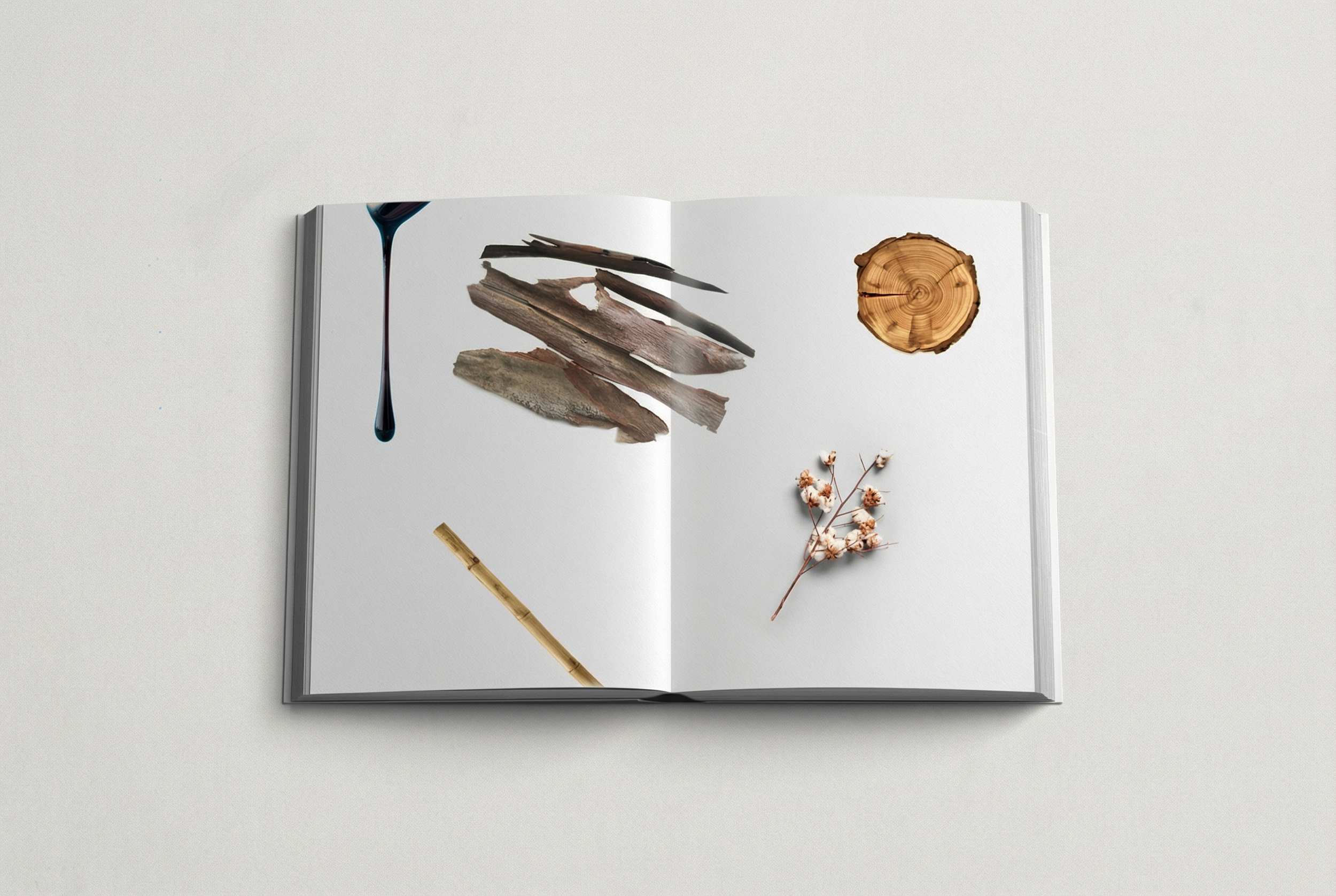
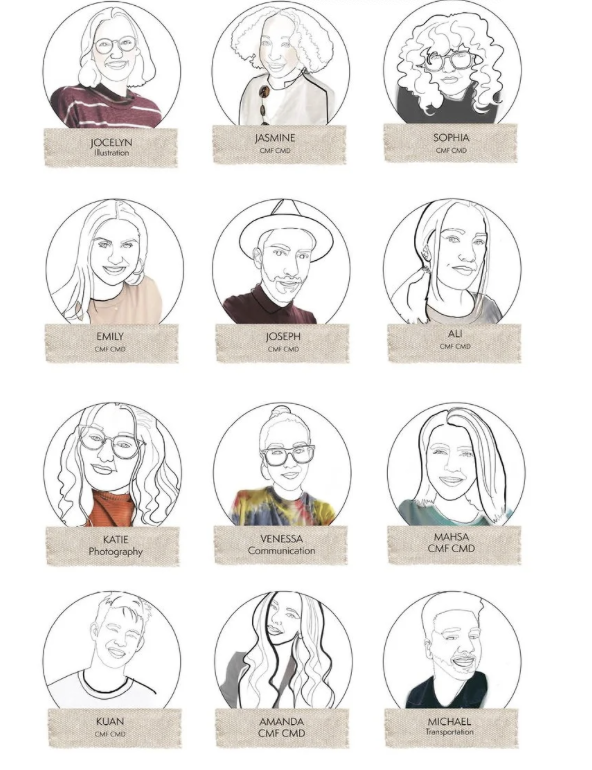
The students who participated in my thesis allowed me to explore their clothing by documenting the materiality of their T-shirts. For example, Jocelyn, an illustration major wearing a burgundy-red shirt, was dressed in a garment composed of 50% rayon and 50% polyester. While this blend appears simple, it represents a complex breakdown of materials—rayon derived from processed wood pulp (often sourced from trees or bamboo), and polyester synthesized from petroleum-based compounds.
BOOK MAKING.
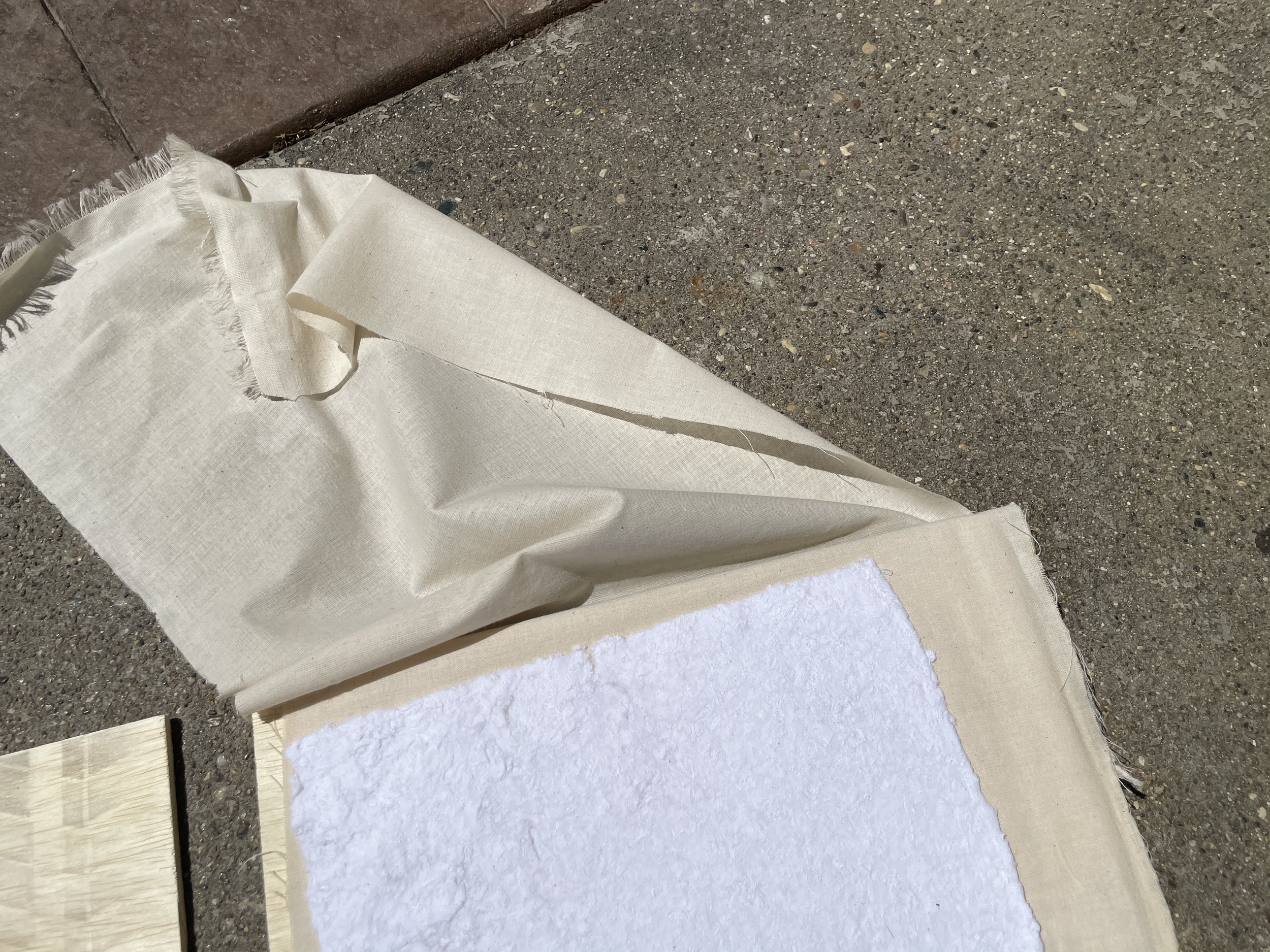
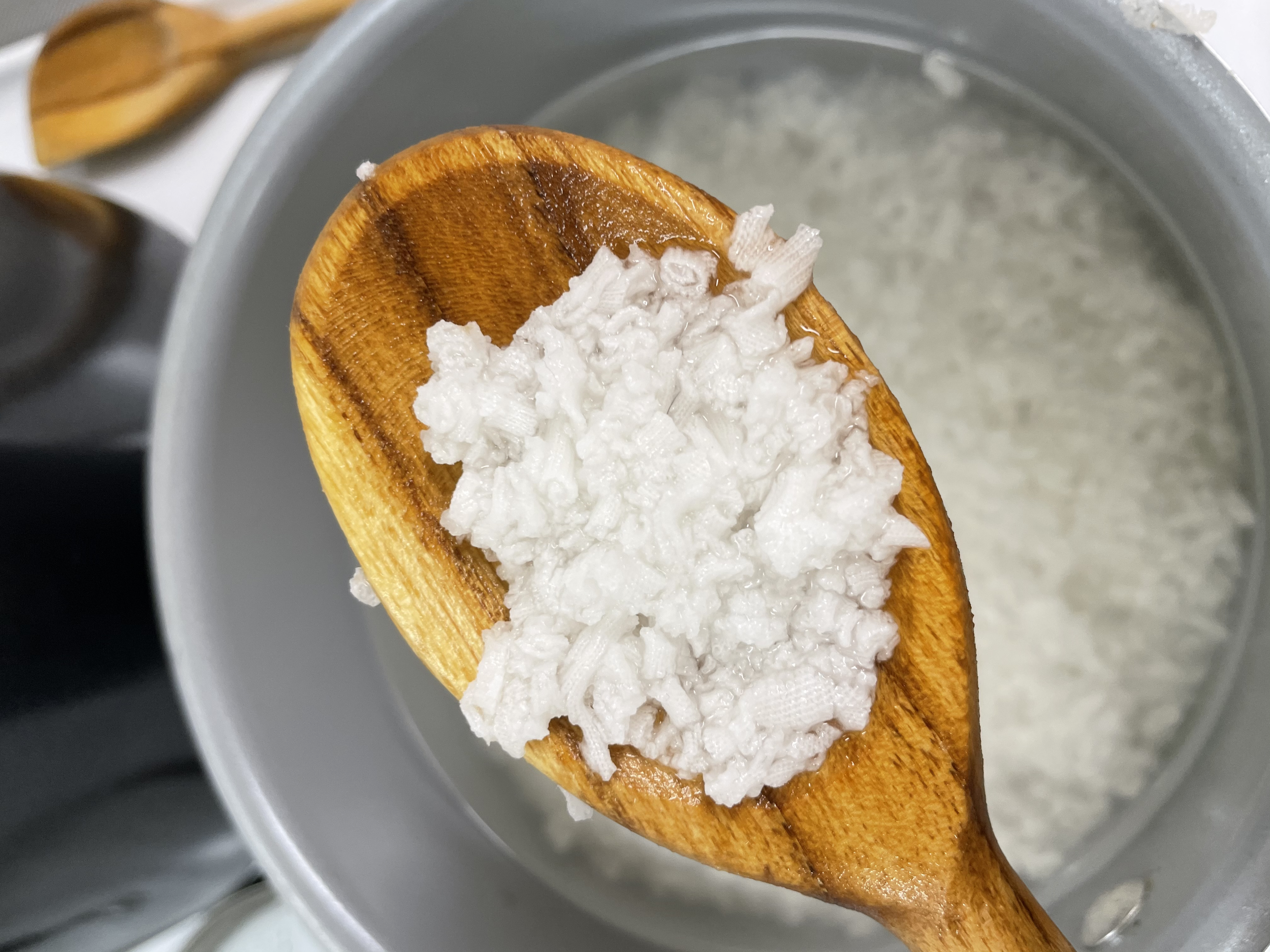
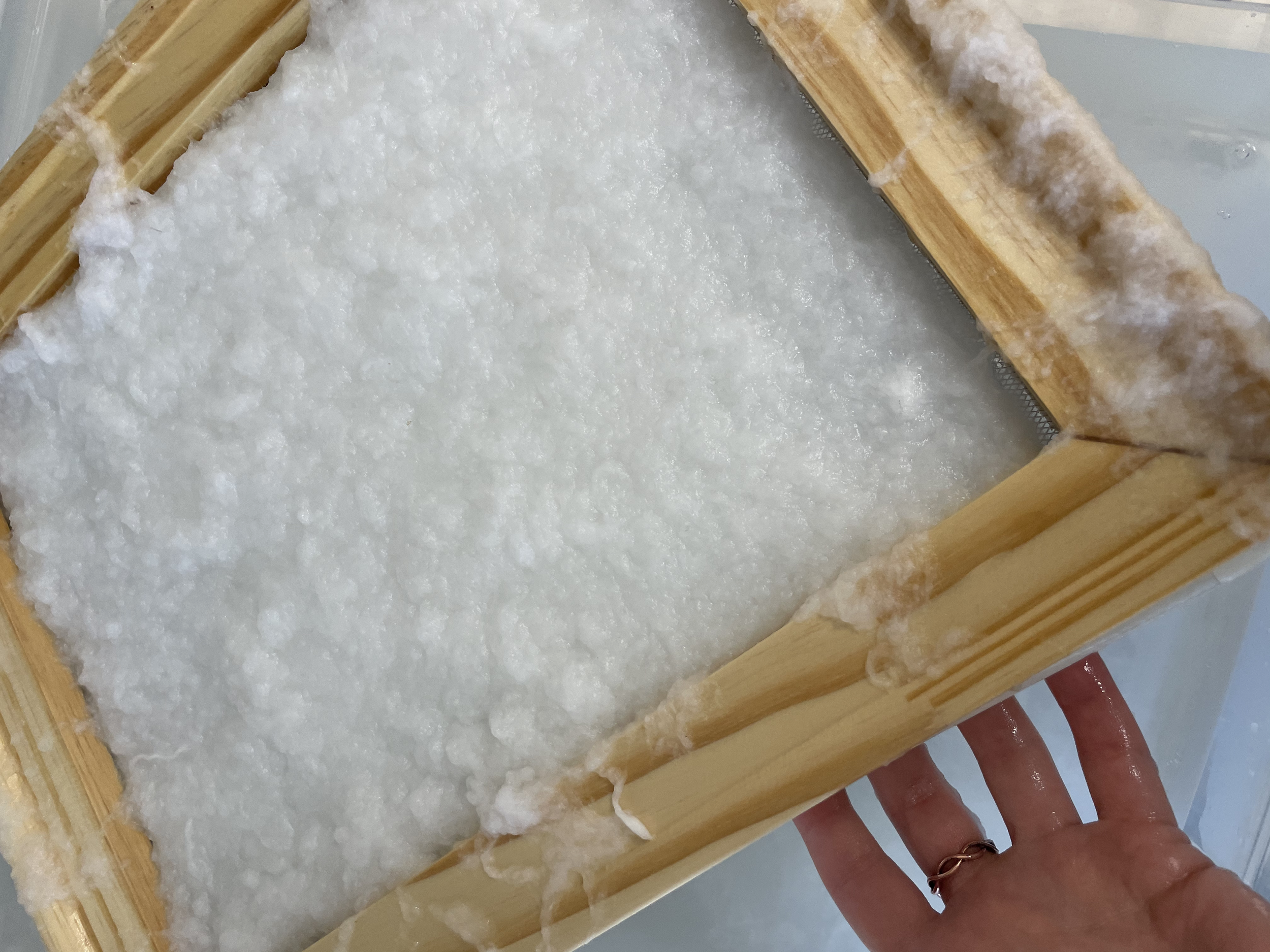
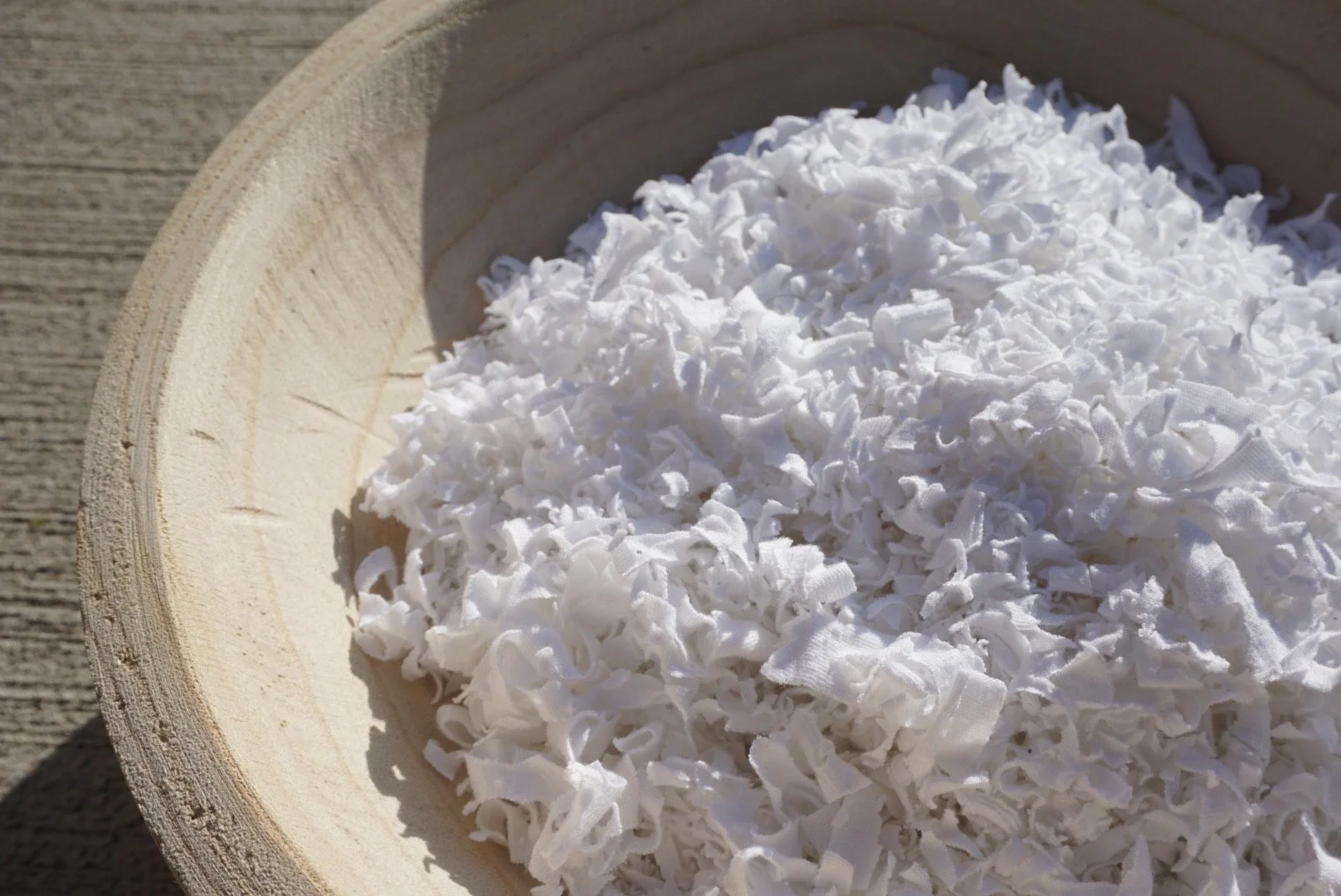
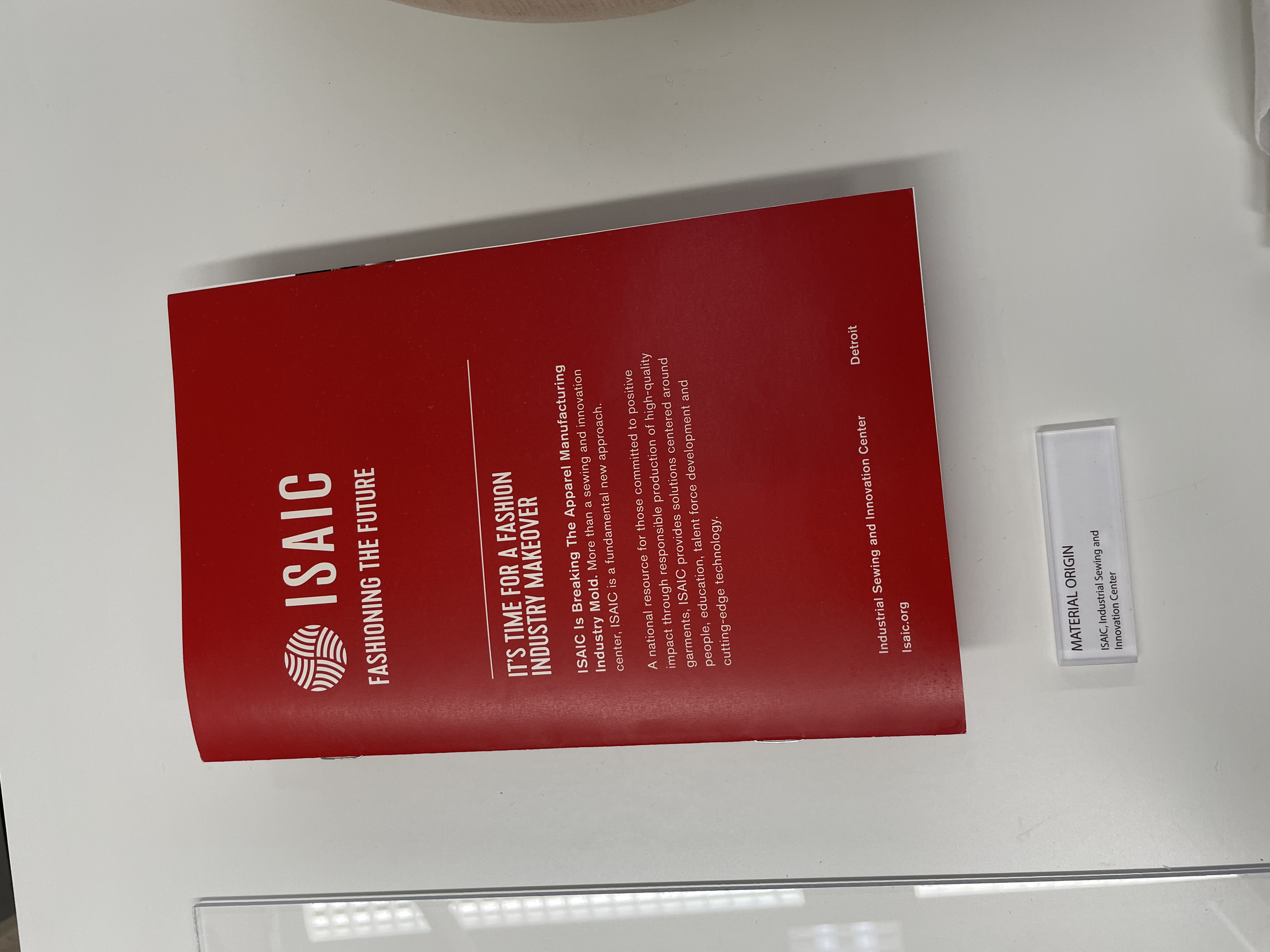
The next phase of the process involved collecting textile scraps from the ISAIC factory and reducing them into smaller fragments before pulping them. The pulp was then processed and dried into sheets of paper. The intention was to create a book tracing the provenance of T-shirts, materially constructed from the very garments it seeks to document—a book of T-shirts made from T-shirts.

CASE STUDIES | INDUSTRY TRENDS
The case studies examined in this thesis demonstrate how conversations around hyperlocality and perspective can provoke deeper reflection on our behavior and understanding of materials. By foregrounding where materials originate and how they circulate, these discussions encourage more conscious engagement with everyday objects. At the same time, sustainability trends at the forefront of the current market are shaping and driving consumer choices, influencing the materials, narratives, and values to which individuals are increasingly exposed.
PARTICIPANTS